
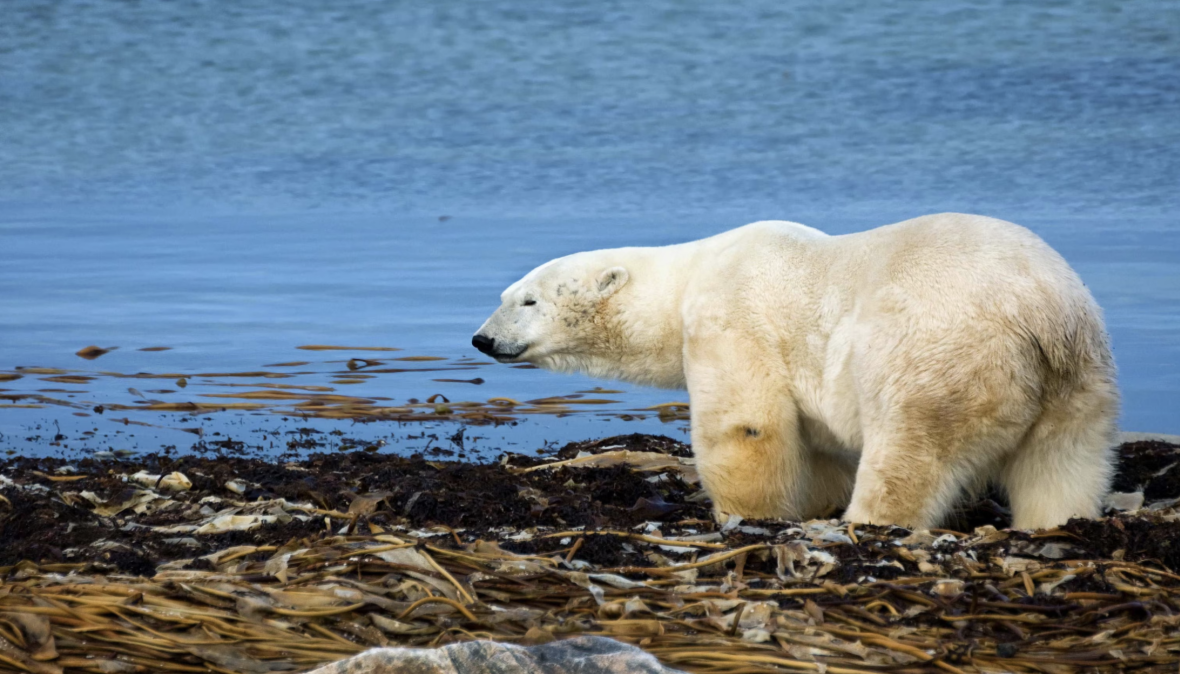
Since 1992, the polar ice caps have lost over 3 trillion tons of ice combined. Arctic ice has declined by approximately 12% per decade. In addition, 30% to 50% of the world’s coral reefs have been lost or severely damaged, with 14% disappearing between 2009 and 2019. However, 51 million Americans still reject scientifically proven research on climate change.
These environmental changes will directly affect teenagers’ quality of life. Global warming is already affecting access to essential resources such as water and food, as well as future job opportunities. As the effects of climate change continue to grow, an important question emerges: how will the next generation interpret them, and what can they do about them?
If students do not care about climate change, their choices will shape the world they inherit, as rising temperatures and environmental changes impact jobs, the economy, and even where people can live.
According to Sustainable Human, climate activist Greta Thunberg said, “You are never too small to make a difference.”
Young people are not just future leaders, but they can also take action now by raising awareness, recycling, and advocating for change in their communities.
Climate change also affects education in ways many people overlook. Natural disasters like wildfires, hurricanes, and floods can shut down schools, disrupt learning, and create unsafe conditions. In places like California, poor air quality from wildfires has already forced students to stay indoors and miss school for their own safety.
Jack Shapiro, a sophomore, said, “I believe climate change should matter to students because it is an important and ever-growing issue. I feel that our generation will feel the burden of it if we do not step up and do the right thing.”
This shows that climate change is not only an environmental issue but also an educational one. Around 44% of Americans believe that their actions are too small to make a difference, a mindset that worsens the problem.
Lavie Ben Shabbat, a sophomore, said, “Thinking you can’t make a difference [is] a mindset that worsens the problem. Thinking you can’t make a difference is exactly what keeps you from ever getting better.”
Similarly, from the Nobel Prize, former Vice President of the United States, Al Gore, stated, “The future of human civilization depends on our willingness to act.”
Once students understand the seriousness of climate change, they are more likely to support solutions, whether through voting in the future, pursuing environmentally focused careers, or making mindful everyday choices. In conclusion, climate change should matter to every student because it affects not only the planet but also their future. The decisions made today will shape the quality of life for future generations. By staying informed and involved, students can help create a more stable and sustainable world