

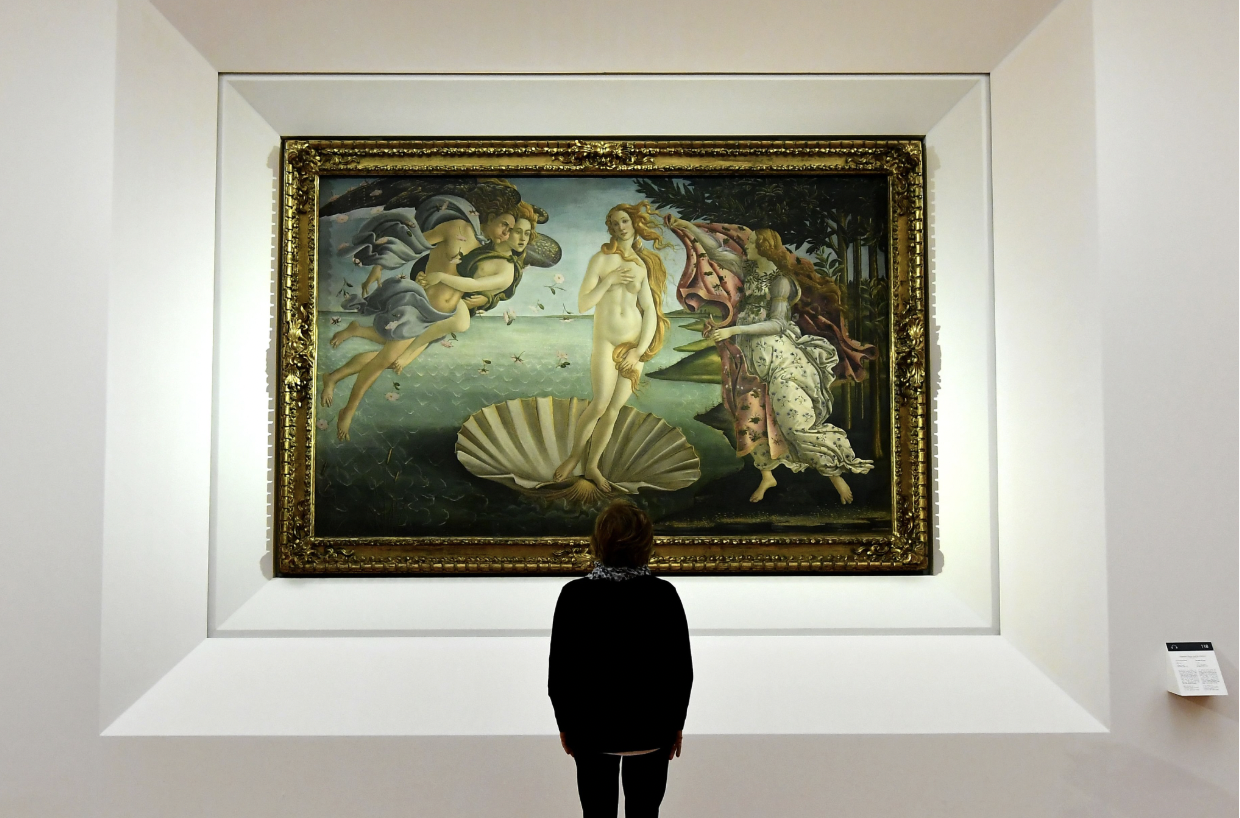
In a private, inconspicuous room, a small paddle raised by a staff member represents an indescribable amount of money, often with no trace of the buyer’s identity. The piece will be sold without the buyer ever being there. Art not only serves as a financial asset but also as social and cultural capital. Now, foundations and non-profits that purchase art display them in their favored museums, which then loan them out to other museums worldwide. Furthermore, the social media world has created an “art flex” trend, with an increase in virtual presence, leaving a lasting impression through a screen.
Just like real estate investments, art investments can be used by private individuals or companies for a tax write-off by making charitable donations of appreciated pieces to museums, making donors eligible for deductions.
According to the Contemporary Art Issue, “The economic value of modern and contemporary art is determined by the art-historical importance of the artist and the artwork in question, followed by the law of supply and demand and its potential return on investment.”
Art prices often vary and rarely have one distinct value. This is due to the demand, significance, and reputation of the artists.
The art process begins with the material cost, which includes the canvas, brushes, paints, etc. The price can range from tens to thousands of dollars for higher-quality art supplies. Pigment is an important factor to consider when creating art because it allows artists to control the visual impact. High-quality materials make longer-lasting paintings, but this causes a fragility issue that requires special attention and meticulous care.
When asked why people purchase expensive art, CHS Sophomore Megan Knudsen said, “I think they do it to kind of show off their wealth and show that they can afford that.”
It is common to see wealthy individuals purchase art for the sole purpose of displaying their wealth, but there is a complex mix of motives for the ultra-wealthy.
The wealthy can buy unknown pieces for a high price tag, artificially increasing the worth of the piece, making the new value permanent. Art can also be untraceable and not digitally tied, making it a safe place to store capital discreetly and avoiding the fluctuating markets.
Beyond the money, there is also a power motive behind the purchases. Donating major purchases to a museum of choice can lead to a seat on the board where cultural decisions are made, relationships are fostered, and networking expands. Art investments are strategic purchases that create status, access, and leverage in the art world and globally.
As reported by Forbes, The Rich Keep Buying Art, it states, “One of Philoche’s recent clients bought a $60,000 painting as a bar mitzvah gift for their 13-year-old son. For that family, art isn’t just decorative; it’s a normalized part of wealth planning.”
These grand pieces are sold in some of the world’s most prominent auction houses: Sotheby’s, Christie’s, and Phillips. Fine art is a physical, hard asset that is generally less affected by the constantly changing stock and interest rates. Art can be used as a long-term asset that families pass down through generations without immediate liquidation. Over generations, families can accumulate and preserve capital as artwork increases in value. Art is not only a visual masterpiece, but a discreet tactic to silently portray hundreds of thousands of dollars of wealth. While most commonly used among the ultra-wealthy, art is becoming an increasingly common way to hoard wealth and avoid heavy tax burdens, allowing wealth to be preserved and increase over time.


