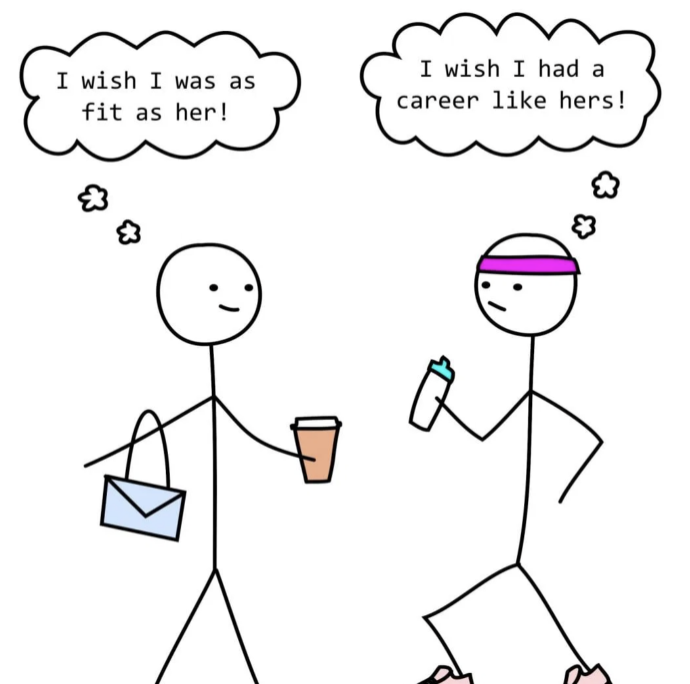



Between advanced classes, extracurricular clubs, sports, and creative pursuits, free time has become a rare luxury. The influence of staying busy has become so common that it almost feels like an expectation.
Students often take on more than they can handle, juggling rigorous academics with packed after-school schedules. At Calabasas High, it is not unusual for a student to spend seven hours in class, followed by hours of homework, practice, or rehearsals. For some, it starts to feel less like passion and more like stress.
Sophomore Shreya Kesari shared that her days are filled from start to finish.
“At school, I’m in the National Honor Society and Science National Honor Society,” Kesari said. “Outside of school, I do dance, volunteering, and research.”
She added that while she enjoys what she does, the motivation behind her busy schedule comes from multiple sources.
“I think it’s a mix of passion, pressure, and college goals. School stuff is more pressure and obviously [helps] to get into college, but most of the things I do outside of school are because I want to do them, and they also look good on college applications.”
Ella Silver, a 10th grader, shared her perspective on the demand to stay busy and how her ambitions shape her school life.
“Some [students] do, some don’t. It’s really just dependent on how your parents treat you at home,” Siver said. “Like some parents are stricter on kids than others, but some just don’t care about their kids in this generation. So I feel like it’s just a matter of how you are raised.”
Silver added her thoughts on balancing school and her love for theater.
“Outside of theater, it’s equally fun, even more fun because we’re doing shows, and I love performing. But it’s just time-consuming, especially if you’re taking harder courses,” Silver said.
Some students describe the busy schedule as exciting, while others admit it can feel overwhelming. The theater program rehearsals can run late into the evening, especially during tech week when actors, dancers, and costume designers stay after school to prepare for performances.
Teachers and counselors have noticed the trend as well. Many students push themselves to join as many activities as possible to strengthen college applications, even if it comes at the cost of sleep and well-being.
Miss Tarczynski, a Calabasas High counselor, said that the drive for achievement begins early and often heightens as students progress.
“We have a lot of students who do AP classes and multiple honors classes,” Tarczynski explained. “Some want to be valedictorian or salutatorian, and others focus on four-year colleges. Taking those AP classes helps raise their GPA and makes them more competitive.”
She also noted that while structure can be beneficial, overcommitment can easily cross into harmful territory.
“Routines can definitely help mental health,” Tarczynski said. “But depending on how busy the schedule is, it can also increase stress if it feels like too much. A lot of students put pressure on themselves to do well in everything.”
Miss Ritchey, another counselor at Calabasas High, emphasized that being busy isn’t necessarily bad, but the lack of balance becomes an issue.
“Being busy can sometimes be motivating,” she said. “But we want to be careful not to tip the scale into being so busy that it starts to impact things like sleep, or time with friends and family.”
Experts call this phenomenon “addiction to being busy,” a pattern where productivity and constant involvement are linked to self-worth. Students may feel anxious when they are not working or participating in something, which can lead to burnout.
While ambition is celebrated, the National Library of Medicine warns that constant busyness can lead to exhaustion and loss of motivation.
Ritchey said that finding balance is key to avoiding burnout.
“Usually, two to three advanced classes along with some other involvements is a healthy balance,” she said. “We talk to students who realize they may have taken on too much and help them build in rest time.”
As the burden on students continues to grow, the community faces a challenge: finding a way to achieve goals without sacrificing well-being. For now, Calabasas life seems to move faster than ever, powered by teenagers who feel they cannot afford to stop.