


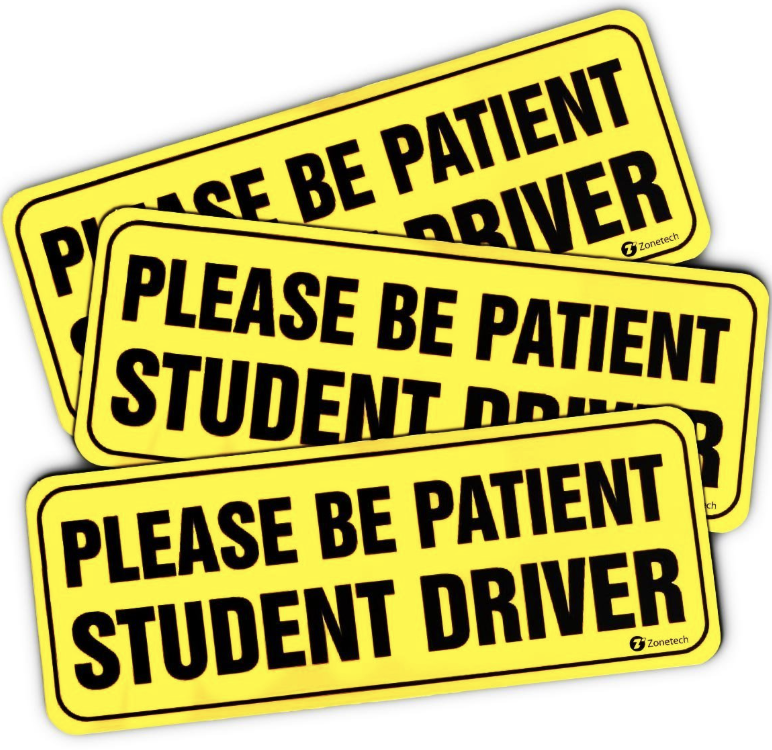
While Calabasas is known for its luxury cars and scenic roads, many overlook a growing concern: young drivers behind the wheel of high-end vehicles with little real-world experience. As more teens earn their licenses at sixteen, questions are rising about whether California’s current driver training requirements are enough to prepare them for the road.
In Calabasas, most teenagers drive new or expensive cars, and crashes involving young drivers have become a local issue. According to data from the Insurance Institute for Highway Safety, drivers aged sixteen to nineteen are nearly three times more likely to be involved in a collision than any other age group.
Some teenagers expressed their thoughts on how having enough behind-the-wheel training affects driving, including CHS 10th grader Shylee Azami.
“I think that they definitely need at least six months, maybe even more, because there are a lot of inexperienced drivers who start to drive without a lot of practice, and that harms a lot of other people on the road and puts them in danger,” Azami said.
California requires student drivers under eighteen to complete six hours of behind-the-wheel training with an instructor and fifty hours of practice with a licensed adult. However, critics argue that this minimum does not match the challenges of driving in areas like Calabasas, where steep hills and precarious roads are common.
Student drivers shared their experiences learning behind the wheel and how confident they feel in their driving skills.
Olivia Zivcicova, a 10th grader, explained, “I have my permit, and I’ve been practicing for about two months. I’m a pro.”
Many students receive their first car shortly after turning sixteen; for some, it’s a brand-new or high-performance model. While these vehicles have advanced safety features, they can also make inexperienced drivers feel overconfident. Local insurance agents say that crash claims increase among first-year drivers, even in wealthier neighborhoods.
In Los Angeles County, teen crashes have been linked not only to inexperience but also to distractions such as phones and music. A study published in Traffic Injury Prevention found that teenage drivers spend about 21% of their driving time looking at their phones, with over a quarter of those glances lasting long enough to significantly raise crash risk. During National Teen Driver Safety Week, which is from Oct. 21-27, the California Office of Traffic Safety offered tips to parents and caregivers on ways they can be involved in helping their teens stay safe behind the wheel.
Some believe longer practice times could make a difference, especially for new drivers who face pressure to drive friends or commute long distances soon after getting licensed.
Driving at sixteen is often seen as a symbol of independence, but with that freedom comes responsibility. As Calabasas continues to grow and roads get busier, the community faces an important question: Are student drivers truly ready for the roads?