


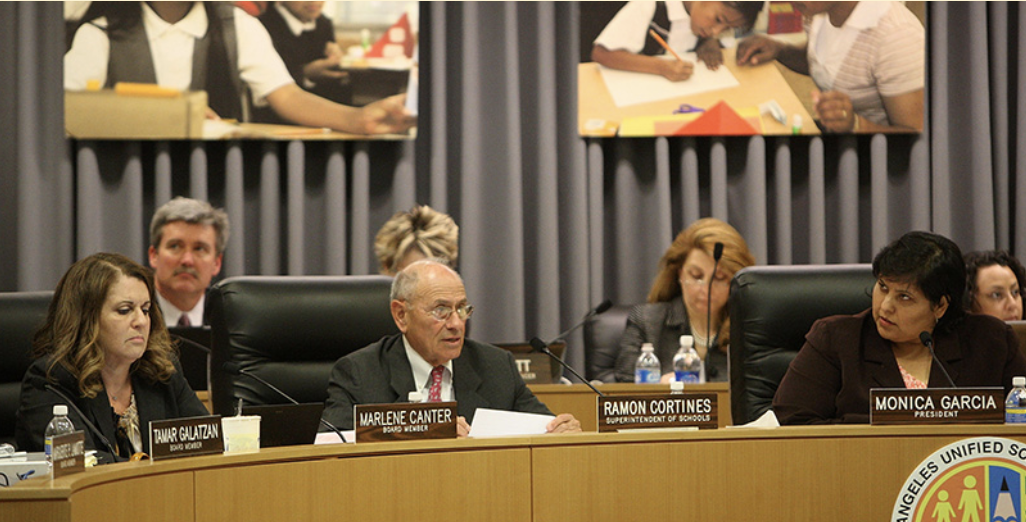
The largest school district in California, the Los Angeles Unified School District, has long concealed allegations of sexual abuse from the public, relying on private settlements and quiet reassignment to shield the institution from outside scrutiny. When California’s Assembly Bill 218 passed in 2019, allowing survivors of childhood sexual assault to sue institutions and abusers up to their 40th birthday, the floodgates opened. A Los Angeles Times investigation found that since 2020, more than 1,100 survivors have filed claims against California school districts, with a disproportionate share concentrated in Southern California. As of 2026, settlements related to LAUSD have exceeded more than $750 million in bonds, forcing the district to confront decades of alleged abuse.
On May 5, 2026, as financial consequences reached historical levels, the United States Department of Education opened an investigation into LAUSD. The inquiry is part of a broader federal effort to conduct compliance reviews under Title IX, a law requiring schools to prevent and effectively respond to sexual harassment and assault.
“The District seems to be putting the continued employment of sexual predators above the safety of students,” Assistant Secretary Kimberly Richey said in a Department of Education press release.
According to the release, employees accused of sexual misconduct appeared to be reassigned to other student-facing roles rather than permanently removed from classrooms. LAUSD has disputed that characterization, claiming the reassignment policy generally places accused employees on leave while investigations are conducted and due process is followed.
Adjacent districts, such as Oak Park Unified School District, allow, but do not require, the suspension or reassignment of employees facing serious allegations during pending investigations or dismissal proceedings. Neighboring Ventura Unified relies on a case-by-case approach in which district administrators determine whether an employee should remain in place, be reassigned, or be placed on leave during an investigation, depending on the nature of the allegation and immediate student safety considerations. However, even if the LAUSD’s interpretation is correct, the sheer number and cost of claims raise more questions about missed warning signs and whether allegations were addressed quickly enough to prevent repeated harm.
“They should be more cautious about teachers’ records. It’s a very nasty situation for someone to be in, especially as a child when they’re so vulnerable, and teachers are in the upper hand in positions of authority,” said Emily Schmidt, a CHS sophomore.
LAUSD’s growing settlement costs have surprised many students, some of whom argue that, because the district is already underfunded in many areas, the money should be used more thoughtfully.
Morgan Dishlip, a freshman at Calabasas High, said, “I think the school district should spend more money on prevention in addition to these settlements and increase the amount of funding in that area.”
While massive districts like LAUSD face hundreds of claims, LVUSD has faced significantly fewer public allegations, with its most notable case resulting in a $5 million settlement involving a former track coach. Some students attribute the differences between districts to monetary resources.
“Sadly, I think it’s a lack of funds. I think here we’re so blessed to have people that can donate so much to the school,” said Schmidt. “Maybe if other districts were receiving more funding, then there would be a little bit more of a change in the proper process.”
The contrast between well-funded districts and struggling systems like LAUSD often centers on resources, but educational policy experts argue that protecting students from abuse is not simply a budget issue. Reassigning staff to administrative roles rather than removing them from campus is a policy choice, not a financial constraint. For California’s largest districts, evidence suggests that addressing these failures demands a fundamental shift in institutional ethics rather than additional fiscal investment.
As settlement costs climb, students hope concerns will be treated with greater urgency and weight. The issue extends beyond legal settlements and district budgets; the fundamental question is whether students in California can trust the adults responsible for their safety. Schools must build reporting systems that victims can trust and foster an environment where students do not fear being dismissed or ignored.
“These cases should be further looked into and more thoroughly observed. That way, students feel safe in their school environment,” said Dishlip.
If districts fail to take action, students and other community members may push for accountability. In recent years, Southern California students, including those in Calabasas, have organized walkouts and demonstrations over a range of issues.
“I feel that if nothing happens, the kids might start protesting against it. That’s a common thing that happens a lot. If there isn’t justice, the kids will find a way to do it and speak out,” said Schmidt.
Pending further developments, the federal investigation extends beyond a review of LAUSD’s policies and serves as a broader test of whether school systems will prioritize safety over administrative expediency.